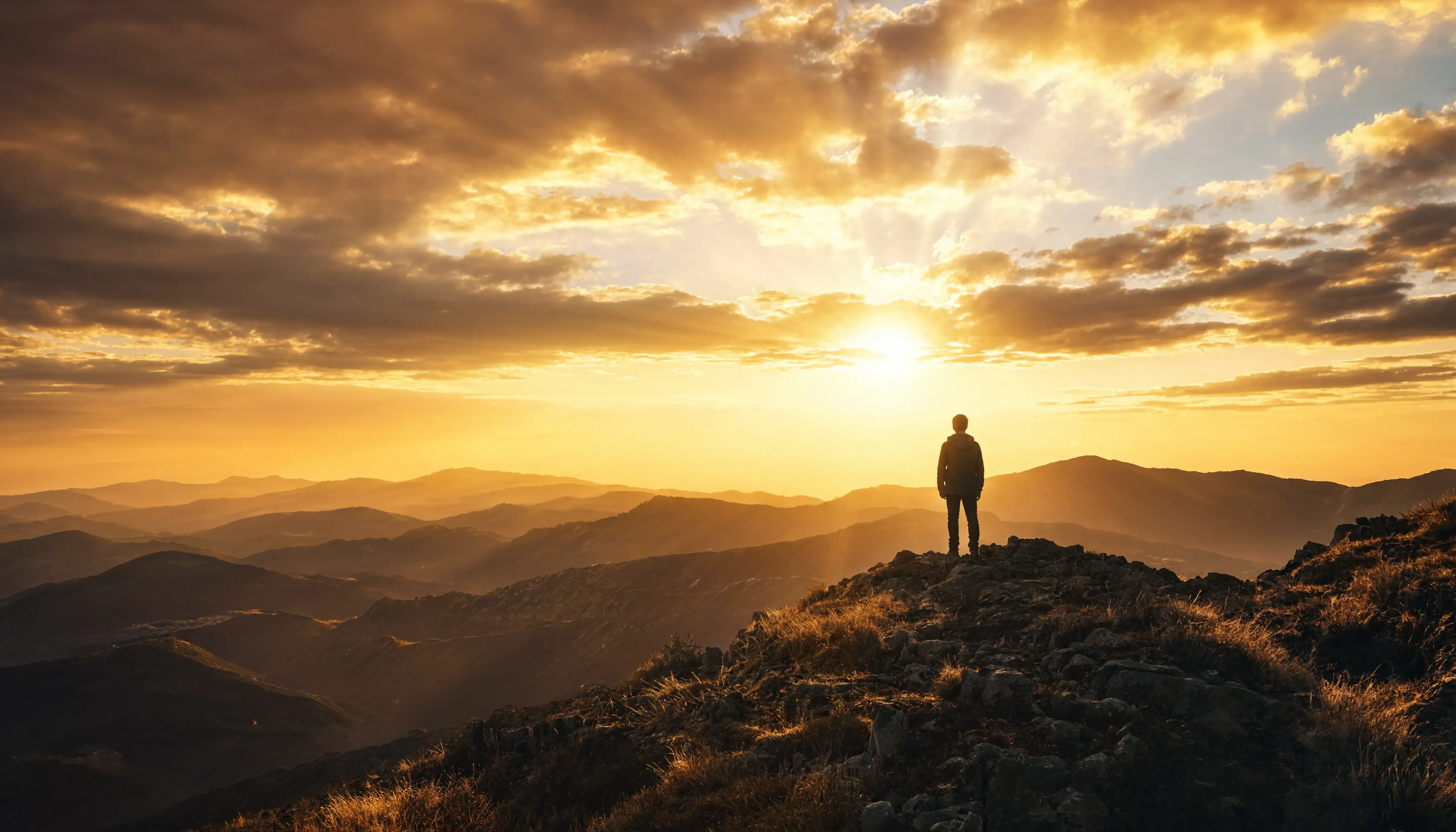
Chasing the Last Light
Photography often begins long before a photograph is made.
It begins with research. With maps spread across tables. Weather forecasts refreshed obsessively. Notes scribbled into notebooks. Flights booked months in advance.
But most importantly, it begins with hope.
Hope that when the moment arrives, the conditions will be right.
The Lofoten Islands are among the most photographed landscapes in the world, yet standing there for the first time felt nothing like looking at a photograph. The scale was impossible to appreciate through a screen. Mountains erupted directly from the sea. Tiny fishing villages clung to the coastline. Storm clouds moved through the sky with astonishing speed.
The landscape felt alive.
Unpredictable.
Almost impossible to control.
Which is exactly why photographers continue returning.
I arrived in early autumn with a simple objective: document the final moments of daylight across the islands. The assignment was intended as a landscape feature for Northern Atlas Magazine, but it quickly became something more personal.
Over six days, every decision revolved around light.
Not where it was.
But where it might be.
Some mornings began before dawn. Others ended long after sunset. Entire days were spent driving winding coastal roads in search of clear skies, only for dense fog to appear moments before the light reached its peak.
At first, it was frustrating.
Then it became part of the process.
Landscape photography has a way of teaching humility. No amount of planning can guarantee the image you envision. Nature follows its own schedule. The weather owes you nothing. The light arrives when it chooses.
Your only responsibility is to be ready.
On the third evening, a storm moved across the islands. Rain battered the coastline for hours. Visibility dropped to almost nothing. Most photographers would have packed their equipment and returned to shelter.
Instead, I waited.
And waited.
And waited.
Then, just before sunset, the clouds began to break.
What happened next lasted less than ten minutes.
A narrow beam of sunlight emerged beneath the storm front and swept across the landscape. Mountain peaks ignited with color. The ocean reflected shades of gold and amber. The entire coastline appeared transformed.
It was one of those rare moments photographers spend years chasing.
Not because it was dramatic.
But because it was unexpected.
The best light often arrives immediately after you've convinced yourself it won't.
Throughout the project, I became increasingly aware of how much photography resembles observation rather than creation. The camera records the image, but patience creates the opportunity. Every photograph is the result of countless decisions, many of which involve doing absolutely nothing except waiting.
Waiting for clouds to move.
Waiting for shadows to shift.
Waiting for the world to reveal itself.
Modern photography often emphasizes speed. Faster cameras. Faster editing. Faster delivery.
The landscape operates differently.
It rewards those willing to slow down.
Some of my favorite images from the trip came from moments that appeared insignificant at first glance. A small fishing cabin illuminated by the final rays of daylight. Reflections stretching across still water after the wind disappeared. A distant mountain partially concealed by drifting fog.
These scenes lacked spectacle.
Yet they carried atmosphere.
And atmosphere is often what remains long after the details are forgotten.
By the final evening, the weather had settled. The sky was clear. The sea was calm. Conditions that many photographers would describe as perfect.
Ironically, the images felt less memorable.
The most powerful moments had occurred during uncertainty. During storms. During changing conditions. During the brief periods when nature felt unpredictable and alive.
Looking back, Chasing the Last Light became a reminder that photography is rarely about the destination. It is about the process of paying attention.
The landscapes of Lofoten were extraordinary, but what stayed with me was something less tangible.
The early mornings.
The long drives.
The waiting.
The moments of doubt before the light appeared.
Because sometimes the most meaningful photographs are not the ones we plan for.
They are the ones that arrive unexpectedly, in the final moments of the day, when the light is fading and the world briefly becomes something magical.
And for a photographer, those moments are always worth chasing.
More Stories
Namib Desert, Namibia
Terra Journal
Copenhagen, Denmark
Aurelia Studio